
silicone wheel for high temperature conveyor systems heat resistant
High-Temperature Silicone Wheels for Conveyor Systems – Engineer’s Deep Dive
If your production line deals with continuous heat exposure—think glass annealing, powder coating curing ovens, or electronics reflow soldering—you already know how quickly standard wheels lose shape, harden, or start cracking. Our silicone wheel for high temperature conveyor systems heat resistant solves exactly that. I’ve spent over a decade in elastomer engineering, and I can tell you that choosing the right heat-resistant wheel isn’t just about the peak temperature number; it’s about sustained performance under load, thermal cycling, and chemical exposure. Let me walk you through the real-world details you need.
Material formulation: why pure silicone outperforms conventional rubber
Most commodity wheels use nitrile or polyurethane, which begin to degrade above 120°C (248°F). Our silicone compound maintains structural integrity up to 260°C (500°F) continuous operation, with short-term peaks to 300°C (572°F). This isn’t just a lab figure—we’ve run 2,000-hour accelerated tests at 230°C under a 50kg radial load, and the durometer change stayed within ±5 Shore A. How does that benefit you? No unexpected flattening, no surface stickiness, and zero debris shedding onto your sensitive product.
Key technical advantages you can verify
Thermal stability: Low compression set (≤15% after 72h at 200°C) ensures consistent tracking and minimal downtime for tension adjustment.
Non-stick release: Silicone’s inherent surface energy prevents adhesive residues or molten plastic from accumulating—ideal for food-contact or electronics conveyor belts.
Custom hardness range: From 40 Shore A (soft, grip‑friendly) to 80 Shore A (abrasion‑resistant for heavy ceramic slugs).
Chemical resistance: Resists ozone, UV, many oils, and mild acids; we can adjust formulation for specific solvents upon request.
Compared to PTFE‑coated metal wheels, our silicone wheels reduce noise by ~12 dB and eliminate the risk of scratching conveyed parts. And unlike fiber‑reinforced silicone belts that may delaminate, our wheels are molded as a homogeneous layer onto precision‑machined aluminum or stainless steel hubs—no bonding failure at high temperatures.
Where this silicone wheel delivers the most value
Over the last five years, our customers have deployed these wheels in three main scenarios:
Powder coating lines: Ovens at 200°C. Standard PU wheels flattened within 3 months; our silicone wheels still ran true after 18 months, reducing replacement labor by 70%.
Glass tempering furnaces: Wheels directly under 650°C glass sheets (with reflective heat shields). The silicone compound acts as a thermal insulator, protecting the bearing housing.
Food extrusion and baking: Direct food contact compliant (FDA 21 CFR 177.2600 available), no taste or odor transfer, even after thousands of thermal cycles.
Selection guide: match the wheel to your exact conveyor
When specifying a silicone wheel for high temperature conveyor systems heat resistant, focus on three parameters:
Operating temperature profile: Is it constant high heat or fluctuating? For rapid cycles (e.g., oven entrance/exit), we recommend a higher thermal mass design with reinforced silicone ribs.
Load per wheel: Our standard 50mm width wheel handles up to 80kg at 200°C; for heavier loads (ceramic tiles, steel parts), a wider tread or dual‑wheel arrangement works best.
Shaft/hub interface: We offer keyways, splines, or custom clamps. Provide your shaft diameter and torque requirement—we can CNC any hub profile.
Here is a quick comparison table (based on internal lab data) to help you visualise:
Material
Max continuous temp
Abrasion loss (mm³)
Typical lifespan in 200°C oven
Standard nitrile rubber
100°C
180
2–3 months (hardens)
Polyurethane (PU)
120°C
70
4–5 months (melts)
Silicone (our compound)
260°C
45
>24 months
Installation and maintenance tips from the shop floor
Once you receive your silicone wheels, check the hub set screw torque after the first 24 hours of operation—thermal expansion can slightly loosen it. Avoid using petroleum‑based lubricants near the silicone surface (they can cause swelling). For cleaning, simply wipe with warm water and mild soap; never use solvents like acetone or brake cleaner. If you observe unusual vibration, it’s usually a bent shaft, not the wheel—silicone is forgiving and will not crack like brittle plastics.
About half of our customers ask: “Can I retrofit these wheels onto existing chain‑driven conveyors?” Yes, absolutely. We supply matching sprocket adapters or poly‑V groove profiles. Just send a photo of your existing wheel and shaft, and our engineering team (that’s me and my colleagues) will model a drop‑in replacement.
Why source from our facility in China
We are a dedicated manufacturer backed by a fully integrated factory. ZHXPRECI | China OEM/ODM Factory Supplier Custom Elastomer Wheels & Rollers. This means you are not talking to a trading company. We control mixing, molding, CNC machining, and quality inspection under one roof. Sourcing from China gives you cost efficiency (typically 30–40% lower than European or North American equivalent) without compromising on compound consistency. Our lead time for non‑standard sizes is 15–20 business days, including mold making. We have shipped to over 40 countries, and every batch comes with a material certificate and dimensional report.
If you need a silicone wheel for high temperature conveyor systems heat resistant with custom bore, diameter (from 40mm to 300mm), or special tread pattern (grooved, crowned, or helical), simply email our support with your drawing or sketch. We usually reply with a CAD proposal within 24 hours.
Bottom-line recommendation
For continuous high‑heat operations above 150°C, don’t compromise with temporary fixes like heat‑shields over rubber wheels—they fail unpredictably. A properly engineered silicone wheel pays for itself in less than six months through reduced downtime, less scrap, and safer operation. I always tell our customers: test one wheel first on your hottest conveyor segment. Run it for two weeks, then inspect the tread. You’ll see no hardening, no stickiness, just a slight patina that actually improves grip. That’s the real mark of a well‑formulated heat‑resistant silicone.
Should you have any technical question—whether it’s about durometer choice, FDA compliance, or mounting interfaces—feel free to reach out directly through the product inquiry form. We will share our full test data and even a sample wheel for qualifying runs. That’s how we’ve built long‑term partnerships in Germany, Japan, and Brazil, and we want to earn yours too.
全9件を表示
-
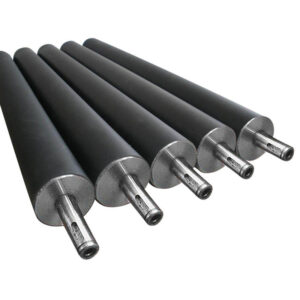
Customized Agricultural Machinery Rubber Wheel Harvester Silicone Roller Cotton Machine Press Roller Pu Wheel Rubber Roller
続きを読む -
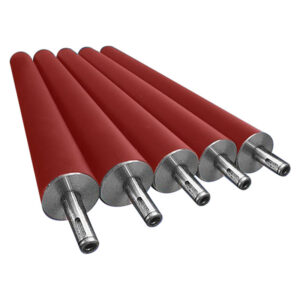
Customized Unpowered PU Wheel Assembly Line Conveyor Wheel Steel Mechanical Pressure Roller Transmission Roller Cutting
続きを読む -
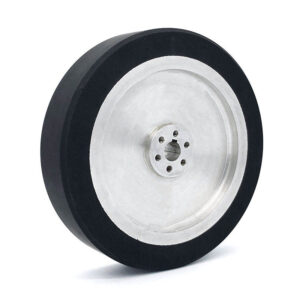
Polyurethane Rubber Coated Wheel for Factory Conveyor Systems and Industrial Transport Silicone Wheel
続きを読む -
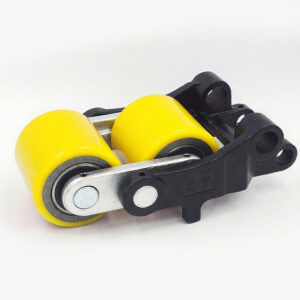
Polyurethane Silicone Rubber Wheel for Printing Machine Feeding Unit and Packaging Line Transport
続きを読む -
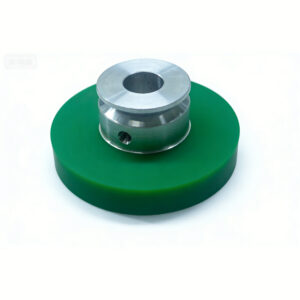
PU Rubber Coated Wheel Roller Industrial Grade for Automation Machinery Conveyor Transport and Factory Use
続きを読む -
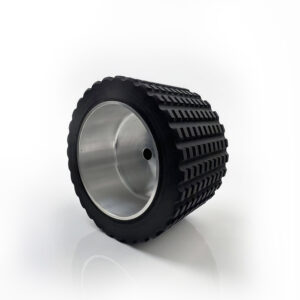
Robot Walking Wheel Custom DIY Trolley Drive Roller Wear-resistant Rubber Wheel Silicone Roller Polyurethane Load-bearing Wheel
続きを読む -
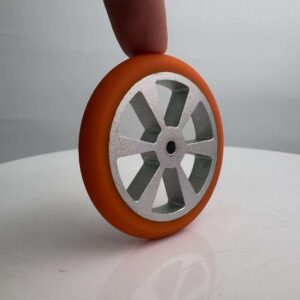
Robot Wheels Intelligent Car Load-resistant Wheels Aluminum Alloy Rubber Polyurethane Tire DIY Robot Competition Wheels
続きを読む -
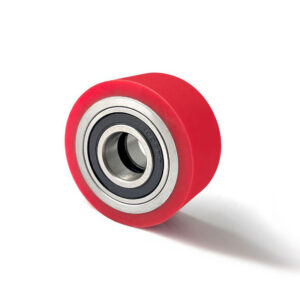
工場コンベヤシステムおよび産業用コンベヤ輸送向けカスタムポリウレタンコーティングホイール
続きを読む -
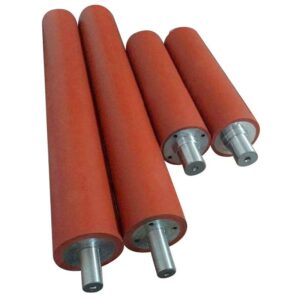
平滑表面耐熱シリコーンロール – ラベル印刷・プラスチックフィルムラミネート用
続きを読む