
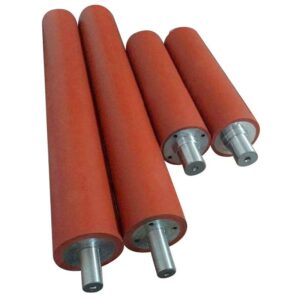
silicone rubber wheel for packaging line transport
Silicone rubber wheel for packaging line transport: What you need to know
If you are responsible for a packaging line that handles delicate containers, food trays, or high-gloss printed cartons, you have likely experienced marking, slipping, or premature wear with standard wheels. That is where a silicone rubber wheel for packaging line transport becomes a practical upgrade. I have spent years working alongside factory operators and maintenance teams, and I often recommend silicone wheels not as a luxury, but as a cost-saving measure for the right applications. Let me walk you through the technical details, real-world benefits, and how to pick the right one for your line speed and load.
Why silicone rubber stands out on a packaging conveyor
Unlike general-purpose polyurethane or black nitrile rubber, silicone rubber offers a unique balance of friction, heat resistance, and release properties. On a typical packaging line – especially one running at 30–60 meters per minute – the wheel surface must grip without leaving marks, handle occasional temperature spikes from heat-sealing stations, and resist degradation from cleaning chemicals. A well-formulated silicone rubber wheel for packaging line transport typically provides:
Heat tolerance up to 200°C (short-term exposure up to 230°C), ideal for lines with hot-fill or induction sealing.
Non-stick surface – adhesive labels, glue residue, or sticky food particles release easily, reducing downtime.
Food-contact safe grades (FDA / EU compliant) available for pharmaceutical and food packaging.
Quiet operation – up to 30% lower noise than traditional rubber wheels, a real difference in 8-hour shifts.
Excellent abrasion resistance – documented wear life of 8,000–12,000 running hours under clean, dry conditions.
Three common packaging applications where silicone wheels excel
Over the years, I have seen the same three scenarios where a silicone rubber wheel for packaging line transport consistently outperforms alternatives. First, glass bottle labelling lines: silicone provides high coefficient of friction (0.6–0.8 on dry glass) without scratching. Second, corrugated carton diverters: the elastic recovery of silicone (60–70 Shore A) absorbs shocks and keeps alignment true. Third, aseptic filling lines where frequent washdowns with chlorine or peracetic acid would crack polyurethane wheels within weeks – silicone wheels survive hundreds of wash cycles.
One dairy packaging plant in Europe replaced their polyurethane drive wheels with our custom silicone wheels and measured a 47% reduction in roller replacement cost over 18 months. That is the kind of measurable outcome I like to share with fellow engineers.
Selecting the right silicone rubber wheel: hardness, tread, and bore
Choosing the correct wheel is not just about buying a “silicone rubber wheel for packaging line transport” – the details matter. For most dry packaging lines with light to medium loads (up to 50 kg per wheel), I recommend 65 Shore A hardness. For heavier loads or rough surfaces like unpainted wood crates, go with 75 Shore A. Tread pattern: smooth for clean, flat surfaces (plastic film, metal cans); shallow chevron grooves for wet or oily conditions (common in beverage canning).
Bore and keyway dimensions must match your existing shafts, otherwise you introduce vibration and premature bearing failure. We stock metric and imperial sizes, but custom bored wheels are often the better route – more on that below. Also, do not forget temperature check: if your line runs near a shrink-wrap tunnel (80–100°C ambient), standard silicone holds up fine, but for direct contact with hot plates above 180°C, specify a high-temperature silicone compound.
Why factory-direct sourcing from China makes practical sense
I often get asked: “Should I buy locally or import?” Having toured both European and Chinese elastomer factories, I can tell you that today’s Chinese manufacturing – especially from dedicated OEM/ODM suppliers – delivers equal or better quality for silicone wheels at 40–60% lower cost. This is not a compromise; it is a result of vertical integration, experienced compounders, and fast tooling capabilities. That is precisely why we have grown into a trusted partner for packaging line builders worldwide. Behind everything we produce, ZHXPRECI | China OEM/ODM Factory Supplier Custom Elastomer Wheels & Rollers – we combine modern compression and injection molding lines with strict ISO 9001 and SGS testing. Every silicone rubber wheel for packaging line transport we ship includes a material certificate and dimensional report.
Installation tips and maintenance for long service life
To get the most out of your silicone wheels, follow three simple rules. First, avoid contact with petroleum-based greases or oils – silicone rubber swells when exposed to mineral oils. Use only silicone-based or PTFE lubricants on bearings. Second, inspect the wheel surface weekly for embedded debris; a soft brush and mild soap solution is enough. Third, if your line runs intermittently, do not leave the wheel pressed against a stationary belt for days – it can develop a flat spot. Simply rotate the shaft by hand before start-up.
When a wheel eventually wears out after thousands of hours, you will notice reduced traction or small cracks at the tread base. That is the time to replace it. With our OEM/ODM service, we keep mold files and compound formulas for each customer, so reordering is as easy as quoting your drawing number.
Final recommendation: test before you commit
Every packaging line has unique variables – product weight, belt material, cleaning frequency, even local humidity. Therefore, I always suggest ordering a small batch of silicone rubber wheels first. Run them for two weeks on your most demanding section. Compare the grip marks, the noise level, and the labor needed for cleaning. Most of our clients order full line replacements after seeing the difference. If you are still using black nitrile or polyurethane wheels and experience marking, slip, or frequent replacement, switching to a silicone rubber wheel for packaging line transport is a low-risk, high-return step. We design and manufacture these wheels right here in China, with export documentation and fast sea or air shipping. Feel free to share your current wheel drawing and line parameters – no obligation, just an engineer’s advice.
Whether you need a standard 200x50mm wheel or a fully custom profile with integrated sprocket, we are ready to support your packaging line’s efficiency. Get in touch through our technical inquiry form, and I will personally review your application.
全9件を表示
-
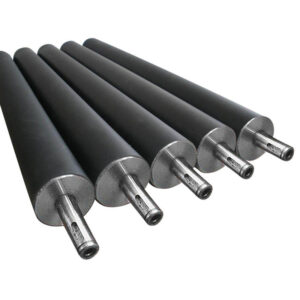
Customized Agricultural Machinery Rubber Wheel Harvester Silicone Roller Cotton Machine Press Roller Pu Wheel Rubber Roller
続きを読む -
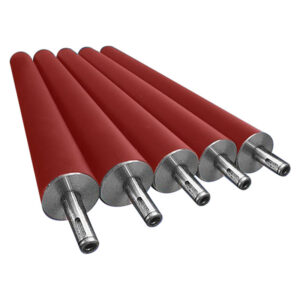
Customized Unpowered PU Wheel Assembly Line Conveyor Wheel Steel Mechanical Pressure Roller Transmission Roller Cutting
続きを読む -
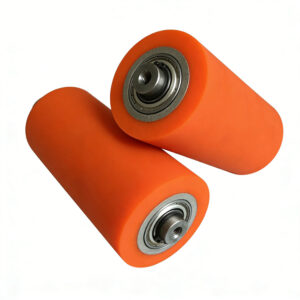
Polyurethane Coated Wheel for Packaging Automation Systems Silicone Wheel Rubber Coated Roller
続きを読む -
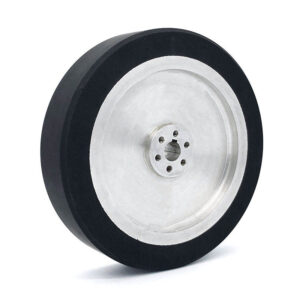
Polyurethane Rubber Coated Wheel for Factory Conveyor Systems and Industrial Transport Silicone Wheel
続きを読む -
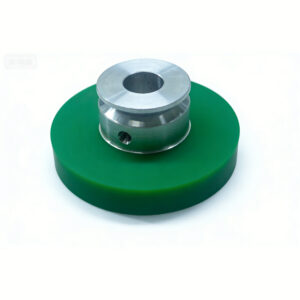
PU Rubber Coated Wheel Roller Industrial Grade for Automation Machinery Conveyor Transport and Factory Use
続きを読む -
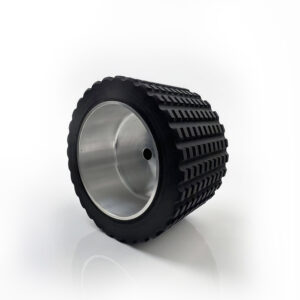
Robot Walking Wheel Custom DIY Trolley Drive Roller Wear-resistant Rubber Wheel Silicone Roller Polyurethane Load-bearing Wheel
続きを読む -
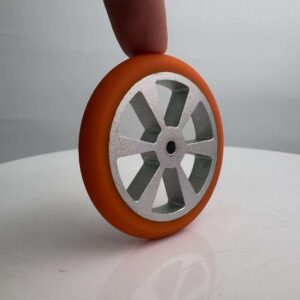
Robot Wheels Intelligent Car Load-resistant Wheels Aluminum Alloy Rubber Polyurethane Tire DIY Robot Competition Wheels
続きを読む -
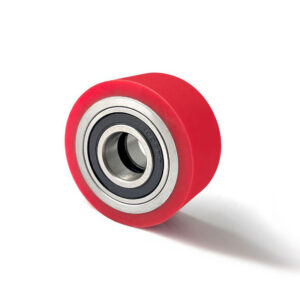
工場コンベヤシステムおよび産業用コンベヤ輸送向けカスタムポリウレタンコーティングホイール
続きを読む -
平滑表面耐熱シリコーンロール – ラベル印刷・プラスチックフィルムラミネート用
続きを読む