
pu conveyor wheel
Understanding the PU Conveyor Wheel: Performance, Durability, and Smart Selection
When you are specifying a PU conveyor wheel for your automated handling line or sortation system, the material choice directly impacts uptime, noise levels, and maintenance intervals. Over the past decade, polyurethane has emerged as the preferred elastomer for thousands of factories because it combines the load-bearing strength of metal with the floor-friendly, quiet operation of rubber. In this guide, I will share practical insights gathered from real-world installations—from high-speed parcel sorting to heavy-duty pallet handling—so you can confidently select the right wheel and get the most out of your investment.
1. Why Polyurethane Outperforms Rubber and Nylon
Many engineers ask me: “Why switch from rubber or nylon?” Here is the short answer. Rubber wheels offer excellent traction but wear quickly under continuous loads and can leave black marks. Nylon is tough but transmits vibration and noise, and tends to slip on wet or oily surfaces. A properly formulated PU conveyor wheel bridges this gap. It provides:
High abrasion resistance – up to 10 times longer service life compared to natural rubber in similar conditions.
Load capacities ranging from 50 kg to 800 kg per wheel, depending on hardness (Shore A 70–95).
Non-marking and quiet rolling – critical for clean environments or noise-sensitive workplaces.
Excellent oil, grease, and chemical resistance – unlike rubber, polyurethane does not swell or degrade when exposed to lubricants.
For a concrete example, we recently replaced nylon wheels on a beverage bottling line with PU wheels. The result: 40% lower noise and no more skidding on wet floors, even after a full eight-hour shift.
2. Technical Specifications to Consider Before Ordering
Not all PU wheels are identical. The following parameters should be verified with your supplier. From my experience, these details separate a reliable component from a recurring headache.
Hardness (Shore A): Softer compounds (70A–80A) absorb impact and reduce vibration, ideal for uneven floors or fragile cargo. Harder ones (85A–95A) handle heavier loads and resist deformation under static weight.
Core material: Aluminum, steel, or reinforced nylon – aluminum offers the best strength-to-weight ratio for high speeds; steel is preferred for extreme loads; nylon cores reduce cost and weight for light-duty applications.
Temperature range: Standard PU operates from -20°C to +80°C. Special formulations can extend to -40°C or +120°C for freezers or ovens.
Tear strength and rebound: A high rebound (≥55%) means less rolling resistance, translating to lower motor power requirements.
Most importantly, always request a load vs. deflection curve before large-scale adoption. This simple chart reveals how much the wheel flattens under your actual working load – excessive flattening increases rolling resistance and causes premature bearing failure.
3. Recommended Applications for PU Conveyor Wheels
Based on hundreds of deployments, here is where a PU conveyor wheel truly shines:
Parcel sortation and logistics centers – high-speed sliding shoe sorters, belt-driven live rollers, and gravity conveyors. The non-marking property protects cardboard and plastic totes.
Food and beverage packaging – resistance to washdown chemicals, occasional oil splashes, and fatty residues.
Automotive assembly lines – heavy loads (engines, transmissions) and need for silent, clean movement.
Pharmaceutical and cleanroom conveyors – no particle shedding, easy to sanitize.
I once worked with a e-commerce fulfillment center that switched 3,000 meters of conveyor from steel rollers to PU-coated wheels. They reduced motor energy consumption by 12% and eliminated 90% of the noise complaints from neighboring offices. That is the kind of real-world gain that pays for the upgrade within months.
4. Sourcing and Manufacturing Excellence – The China Advantage
When you need consistent quality at competitive pricing, partnering with a specialized manufacturer makes all the difference. ZHXPRECI | China OEM/ODM Factory Supplier Custom Elastomer Wheels & Rollers is one such partner I have seen deliver reliable polyurethane components again and again. Their expertise in custom durometers, precise molding, and fast turnaround has helped many of my clients shorten lead times by up to 30% compared to local alternatives.
Manufactured in China, these wheels benefit from mature supply chains for raw polyurethane chemicals, advanced casting equipment, and rigorous quality control – including 100% dimensional inspection and load testing for critical batches. Chinese factories have also invested heavily in low-VOC production processes, meeting RoHS and REACH standards for export to Europe and North America. This means you are not just saving cost; you are getting wheels that perform identically to high-priced Western brands, often with more flexible customization options (bore size, tread pattern, color coding).
5. Selection Guide: Matching the Right PU Conveyor Wheel to Your Line
Follow this four-step method to avoid common mistakes:
Step 1 – Calculate static and dynamic load per wheel. Divide total system weight (conveyed goods + belt/chain weight) by the number of wheels under load at any time. Then multiply by a safety factor of 1.5 for dynamic conditions.
Step 2 – Choose tread hardness based on floor condition and noise requirement. For polished concrete or epoxy floors, 85A is a safe starting point. For rough or jointed floors, 75A provides better cushioning.
Step 3 – Verify bearing type and seal. Shielded bearings (ZZ) for dusty environments; sealed bearings (2RS) for washdown or wet areas. Standard tolerance is P0 (ABEC-1), which is sufficient for most conveyor speeds below 2 m/s.
Step 4 – Request samples and run a short-term endurance test. Even a 24-hour continuous run at 80% of rated load will reveal bonding defects or premature wear.
Remember: a 10% over-specification in load capacity often reduces long-term maintenance costs more than the initial price difference. So do not undersize the wheel just to save a few dollars.
6. Maintenance Tips to Extend Service Life
PU wheels are remarkably low-maintenance, but a few simple habits will double their lifespan:
Clean the tread weekly with a stiff brush and mild detergent – accumulated oil or dust can harden into a glazed surface that reduces traction.
Inspect for chunking or delamination every 500 operating hours. Small chips can be trimmed; if the polyurethane separates from the core, replace the wheel immediately.
Store spare wheels away from direct sunlight and ozone sources (electric motors). UV and ozone accelerate polyurethane degradation.
Rotate wheels if your conveyor has fixed positions of uneven wear – this is rare but can happen in accumulating conveyors.
Following these steps, a quality PU conveyor wheel will easily last three to five years in a two-shift operation, whereas a cheap rubber wheel might need replacement every nine months.
7. Frequently Asked Questions by Maintenance Engineers
Q: Can I replace a rubber wheel with a PU wheel without changing the bearing or axle?
Yes, as long as the bore size, width, and outer diameter are identical. PU wheels generally run on the same bearing standards (6200, 6202, 6203 series most common). Just confirm the dynamic load rating of your existing bearings.
Q: Will PU wheels attract dust or static electricity?
Standard PU can generate static buildup in very dry environments. If you move electronics or flammable materials, request anti-static (conductive) PU, which incorporates carbon black and has surface resistance below 10⁶ Ω.
Q: What is the lead time for custom PU conveyor wheels from China?
For non-standard bores or special compounds, typical tooling takes 2 weeks, followed by production of 1-4 weeks depending on quantity. As noted, working with an experienced supplier like ZHXPRECI | China OEM/ODM Factory Supplier Custom Elastomer Wheels & Rollers can reduce that timeline through pre-stocked cores and efficient batch scheduling.
I hope this detailed walkthrough helps you make a more informed decision. A well-chosen PU conveyor wheel is not a commodity – it is an engineered component that directly affects your line’s efficiency, energy use, and operator comfort. Do not hesitate to ask for material certificates (e.g., tensile strength, elongation at break) and to perform a small pilot run before committing to a full fleet replacement. The time spent upfront always pays back in fewer breakdowns and smoother operations.
全9件を表示
-
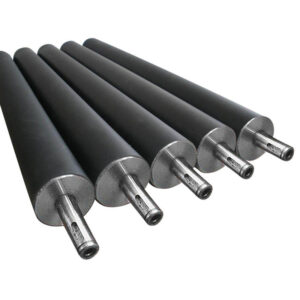
Customized Agricultural Machinery Rubber Wheel Harvester Silicone Roller Cotton Machine Press Roller Pu Wheel Rubber Roller
続きを読む -
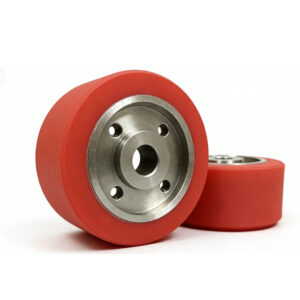
Customized Silicone Rubber Coated Roller & China Factory OEM/ODM Drive Guide Roller
続きを読む -
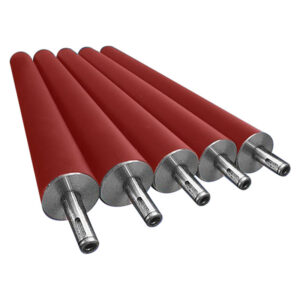
Customized Unpowered PU Wheel Assembly Line Conveyor Wheel Steel Mechanical Pressure Roller Transmission Roller Cutting
続きを読む -
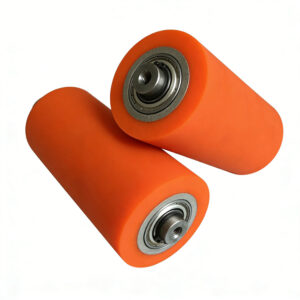
Polyurethane Coated Wheel for Packaging Automation Systems Silicone Wheel Rubber Coated Roller
続きを読む -
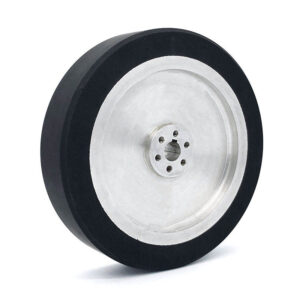
Polyurethane Rubber Coated Wheel for Factory Conveyor Systems and Industrial Transport Silicone Wheel
続きを読む -
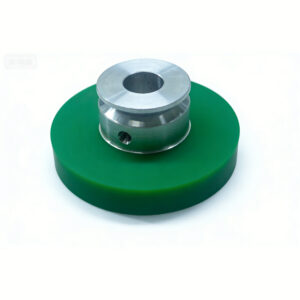
PU Rubber Coated Wheel Roller Industrial Grade for Automation Machinery Conveyor Transport and Factory Use
続きを読む -
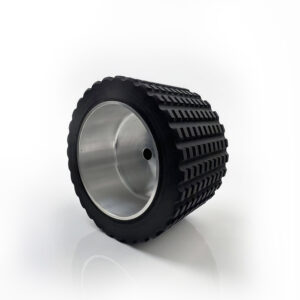
Robot Walking Wheel Custom DIY Trolley Drive Roller Wear-resistant Rubber Wheel Silicone Roller Polyurethane Load-bearing Wheel
続きを読む -
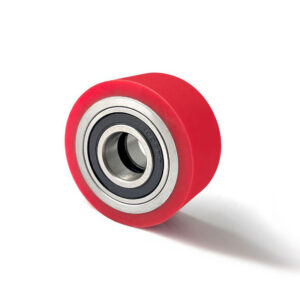
工場コンベヤシステムおよび産業用コンベヤ輸送向けカスタムポリウレタンコーティングホイール
続きを読む -
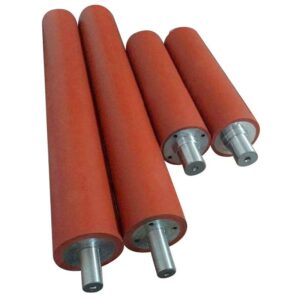
平滑表面耐熱シリコーンロール – ラベル印刷・プラスチックフィルムラミネート用
続きを読む